A thousand years at the water's edge
The fishing villages are Lofoten's soul: red rorbu cabins on stilts, stockfish drying on wooden racks and harbours that have lived off the skrei cod for a thousand years. From the base at Leknes they're all easy day trips – here they are, from east to west.
Svolvær
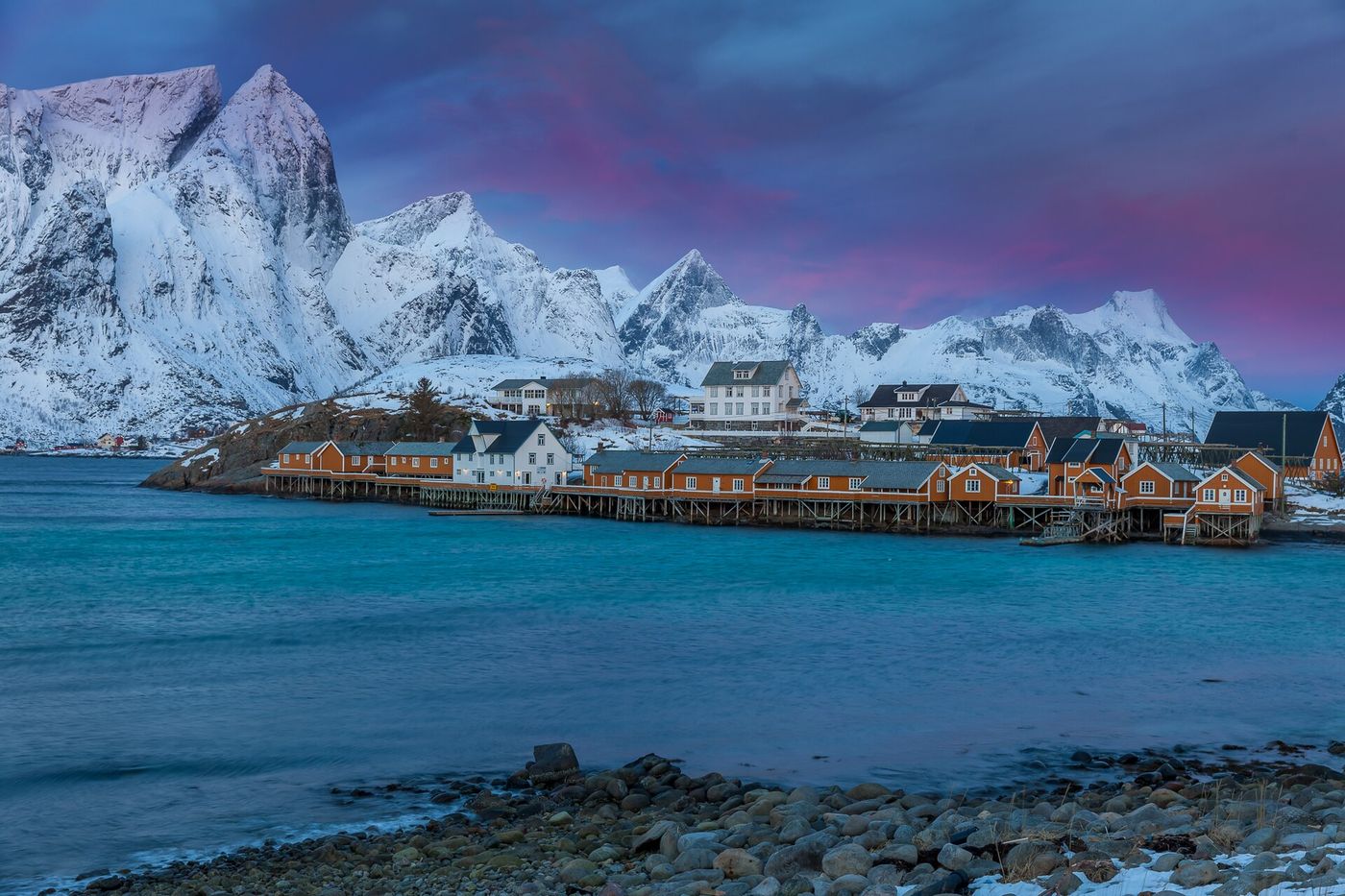
Lofoten's "capital" and administrative centre – town life, galleries, the Magic Ice bar, the Lofoten War Memorial Museum, and the departure point for Trollfjord cruises. The famous climbers' pinnacle Svolværgeita watches over the town. The town's restaurants are covered in the food section.
Kabelvåg
One of Norway's oldest fishing communities, right next to Svolvær – with the Lofoten Museum, the Lofoten Aquarium and the mighty Vågan church, the "Lofoten Cathedral". Calmer and more historic than its neighbour.
Henningsvær
"The Venice of Lofoten" – a fishing village built across islets, connected by bridges, with preserved wooden architecture, galleries (not least KaviarFactory), cool shops and the world-famous football pitch at the village's outer edge. Festvågtind towers just behind it. The cafés and restaurants are covered in the food section.
Stamsund
The living fishing village closest to the base on the south side – a port of call for the Hurtigruten coastal steamer, with a working harbour, an artists' community and a small ski hill in winter. Underrated and authentic. Just before Stamsund lies the little village of Ure – before the war one of Lofoten's largest fishing villages, today known for the restaurant at Ure Lodge.
Ballstad
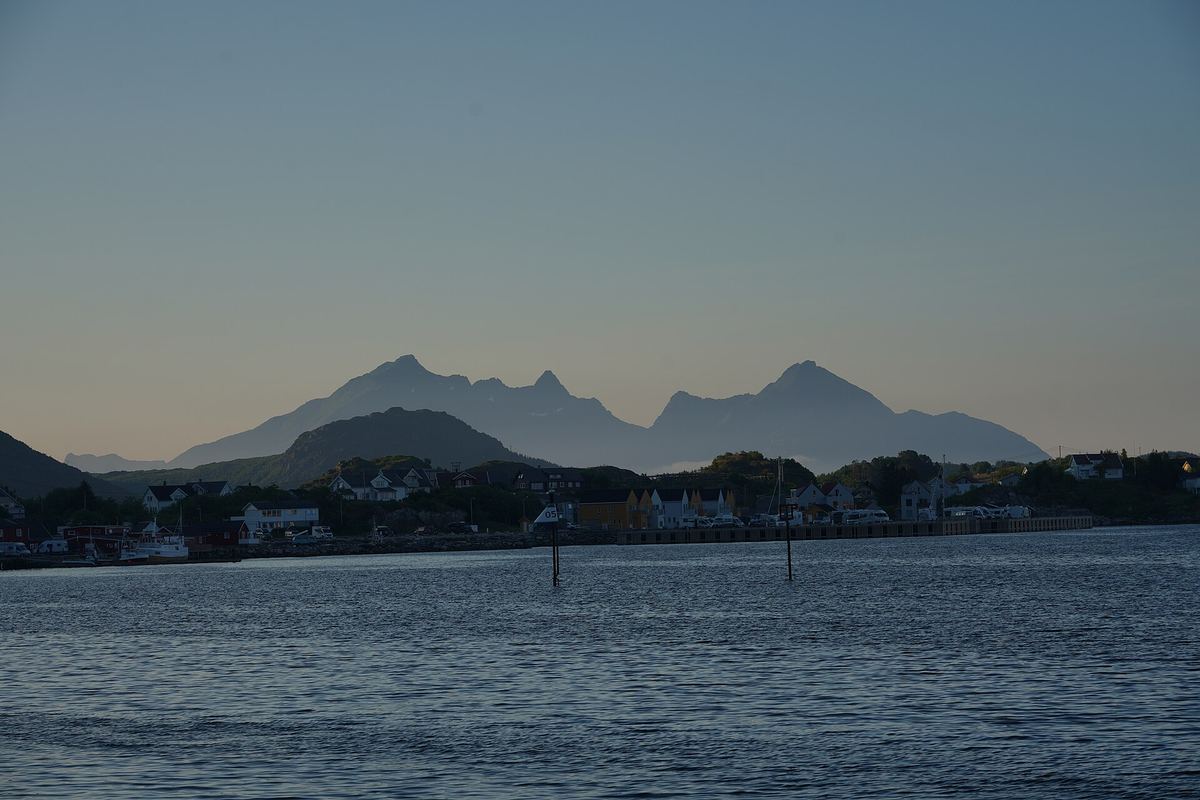
One of Lofoten's largest and still most active fishing villages – and as you'll see in the food section: the place with the densest concentration of good restaurants. The Nonstinden hike gives you the full panorama.
Nusfjord
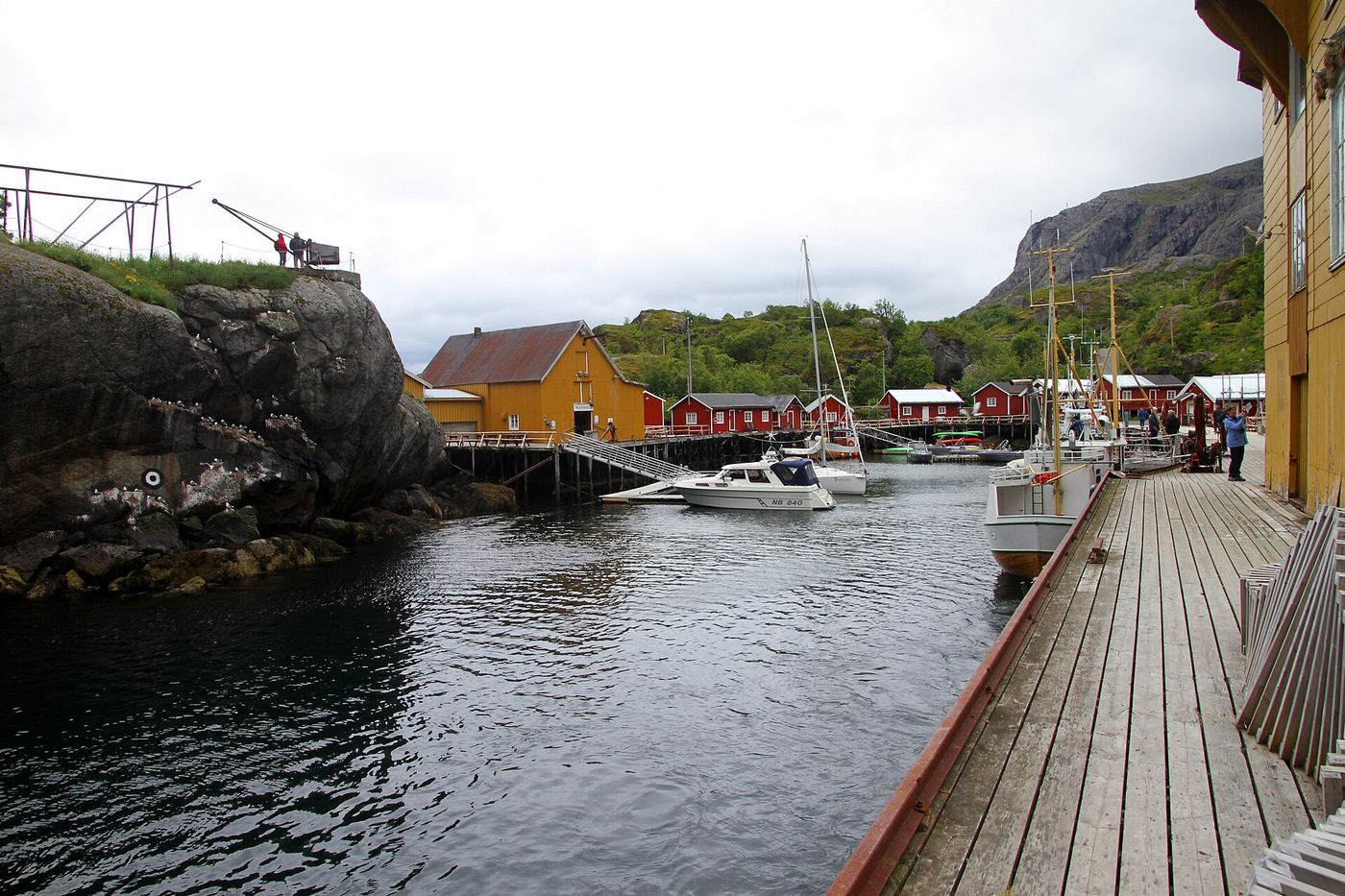
One of Norway's best-preserved fishing villages, tucked into a narrow fjord arm – today a living museum village with a bakery, general store and rorbu cabins. The entrance fee in season helps look after the place.
Hamnøy and Sakrisøy
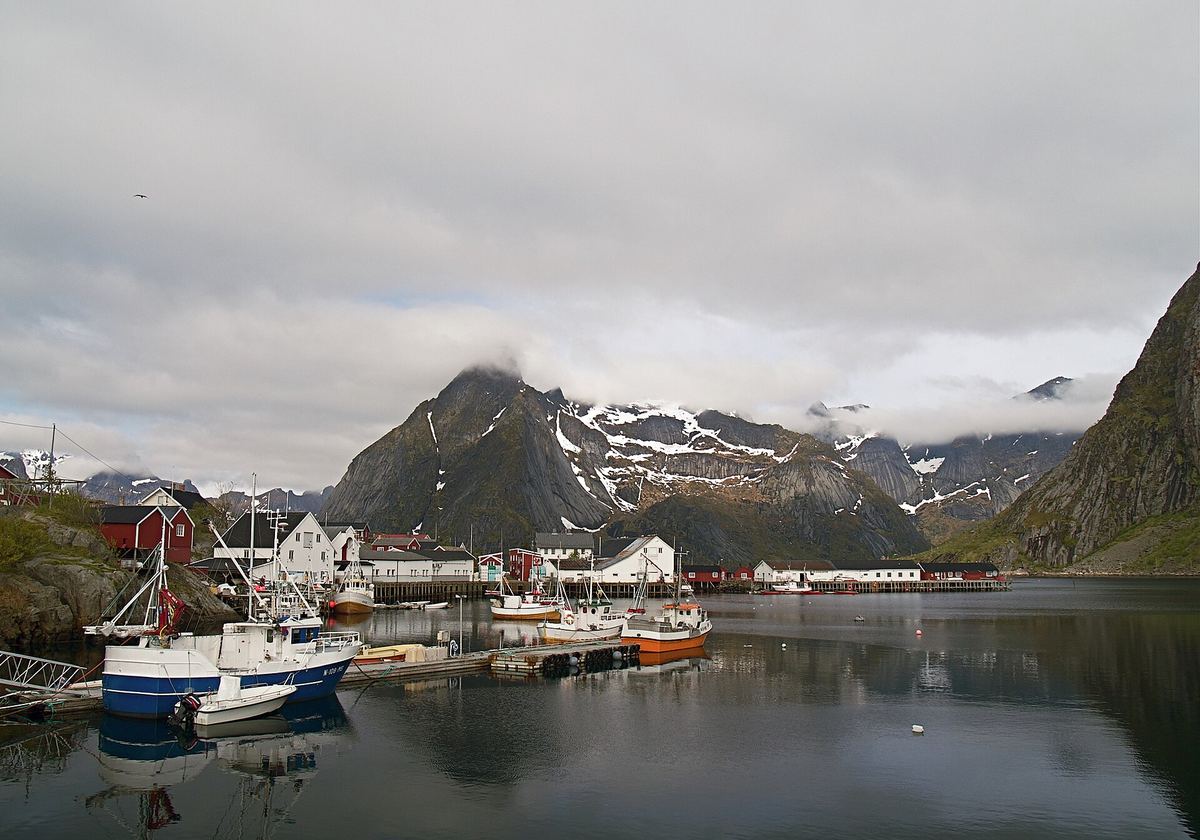
Hamnøy has the view everyone knows from the E10 bridge – rorbu cabins against Festhelltinden. Neighbouring Sakrisøy stands out with its ochre-yellow houses, a doll museum and Anitas Sjømat. Two short but essential stops on the way to Reine.
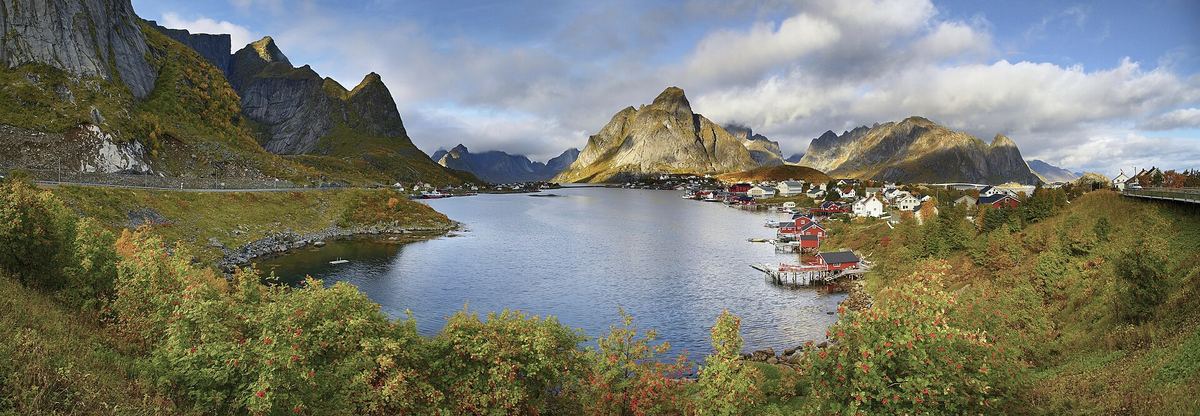
Reine
The picture-postcard village: rorbu cabins, fjord and the peaks around the Reinefjord. From here the fjord ferry runs to Vindstad and the wild beaches, and the Sherpa-built steps up Reinebringen lead to the view that graces everything from book covers to airline ads.
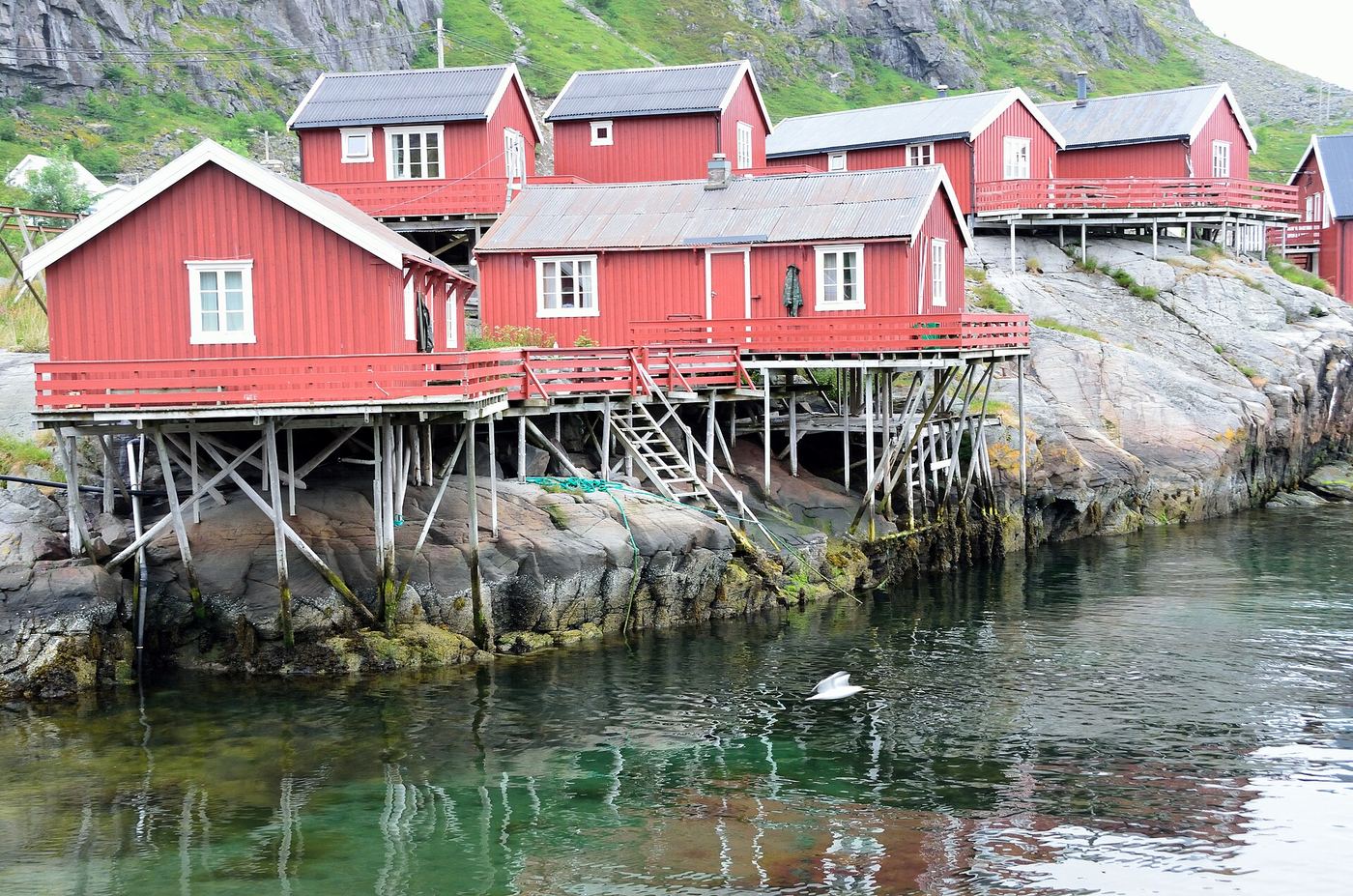
Å
The end of the road – literally. The museum village at Lofoten's outermost tip, with the Norwegian Fishing Village Museum, the Stockfish Museum, an old bakery and stockfish racks still in use. The place with Norway's shortest name leaves a lasting impression.