All of Lofoten.
One base.
Most visitors assume they need to change accommodation three or four times to see Lofoten. They don't. From Leknes, at the very centre of the archipelago, everything is within reach – Reine to the west, Svolvær to the east and Europe's finest beaches just around the corner – without packing your bags more than once. And it's calmer than its reputation suggests: outside a handful of well-known photo stops, you largely have the islands to yourself.
The E10 through Lofoten · approximate driving time from the Lofotendreams chalet
The mistake most people make: treating the trip like a road trip
Lofoten looks long on the map but is compact in practice. From Svolvær in the east to Å in the west takes just over two hours by car. Put your base in the middle, and everything becomes a day trip.
Unpack once
Change accommodation every other night and you lose hours to checkouts, check-ins and packing – with the best hours of the day spent on logistics. With a fixed base, every day starts ready for the good stuff.
The midpoint of the road
From Leknes it's a short drive in either direction: Haukland and Uttakleiv in fifteen minutes, Ballstad in fifteen, Nusfjord in forty, Reine in an hour and Henningsvær in fifty minutes. You choose your direction by weather and light – not by where you happen to have booked the next night.
Peace of mind, all year
Lofoten weather turns quickly, especially in winter. With one base you never have to drive through a storm to make the next booking. If a storm blows in, light the fire and take that trip tomorrow instead.
Everything there is to see and do in Lofoten
The guide is organised around what people actually ask about. Every section shows the approximate driving time from the Lofotendreams chalet, so planning your days is easy.
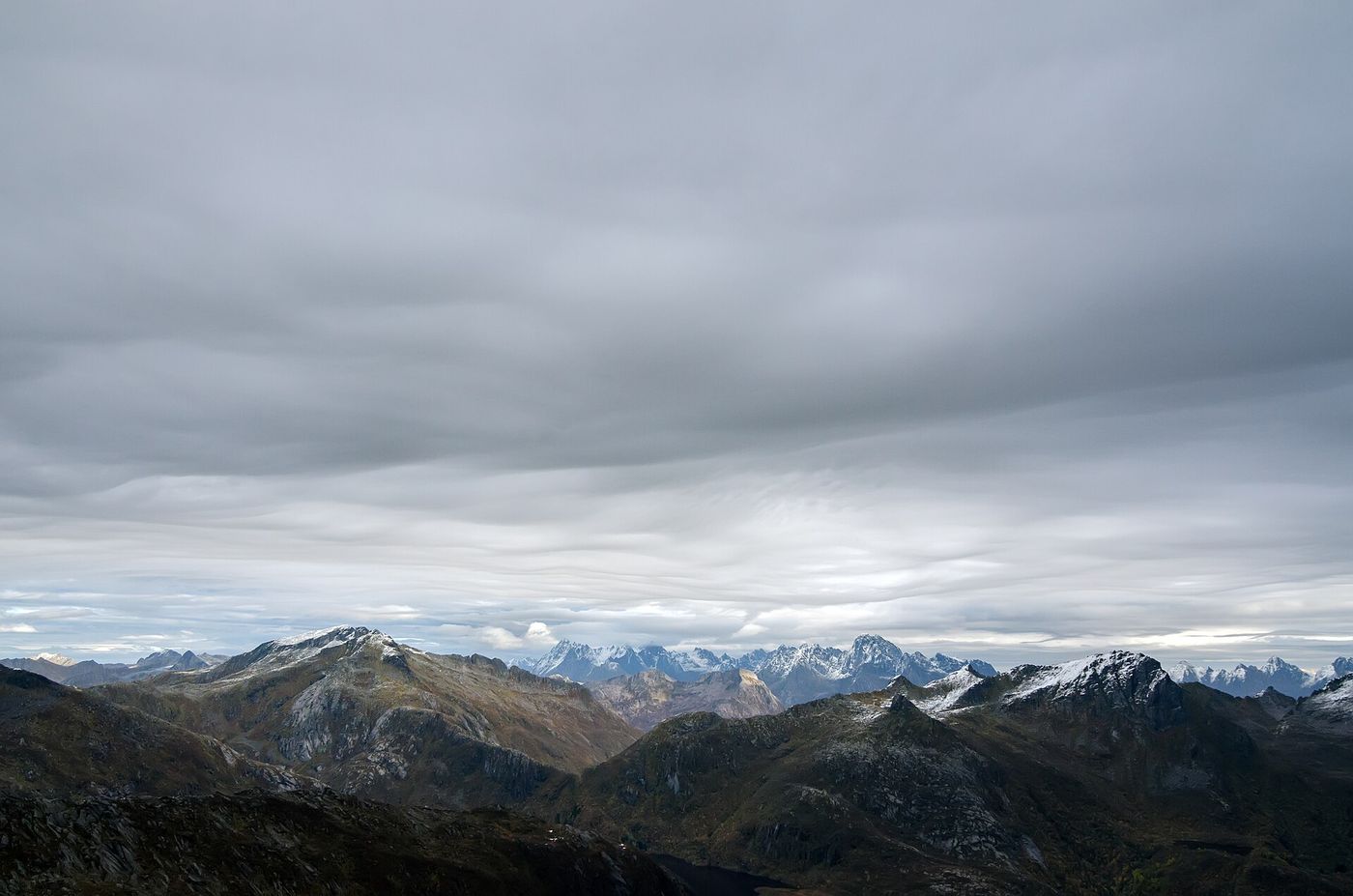
Into the landscape
Mountains rising straight from the shore, beaches ranked Europe's finest, the waves at Unstad and golf under the midnight sun – most of it within half an hour of the base.
On and above the sea
Fishing villages along the whole axis, Trollfjord cruises, sea-eagle and whale safaris – and a sky that gives you northern lights in winter and midnight sun in summer.
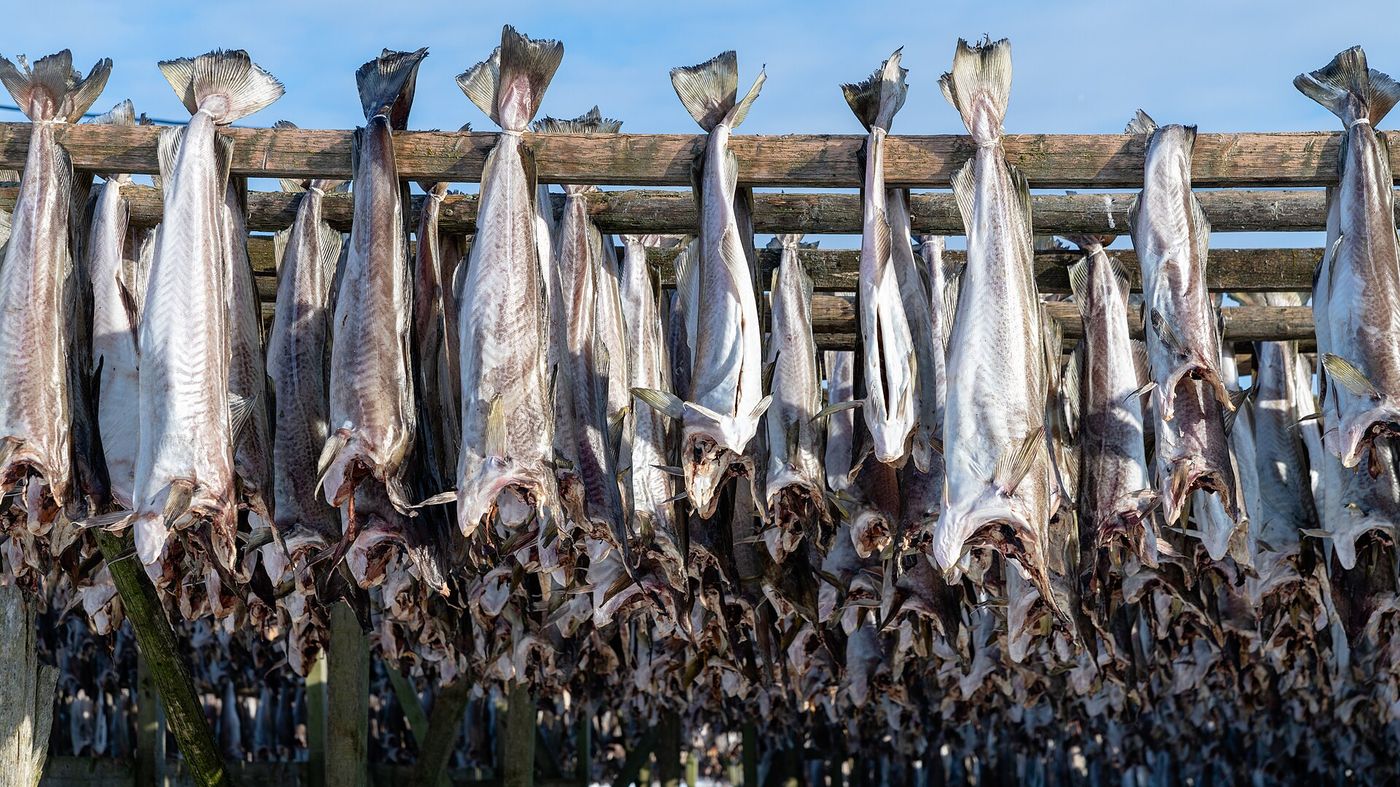
Taste, culture and the plan
The host's recommended restaurants, Viking history and museum villages, family days for any weather – plus the month-by-month calendar and all the practical details.
Worth the journey – in every season
Lofoten is an archipelago in Nordland, well north of the Arctic Circle, where alpine peaks rise straight out of the sea. National Geographic has ranked the islands among the most appealing destinations in the world, and it's easy to see why: fishing villages with red rorbu cabins, chalk-white beaches with turquoise water, midnight sun in summer and northern lights from September to April.
The E10 – the Lofoten National Scenic Route – ties the islands together from east to west, and that is exactly why one base works so well: everything lies along the same beautiful road. The Gulf Stream also gives the islands a surprisingly mild climate for 68 degrees north, so Lofoten is alive and accessible all year – not just in July.
This guide is written by us at Lofotendreams, a premium cabin at Leknes. It was made for our guests but is freely available to anyone planning a trip. Use it well – and take good care of Lofoten while you're here.
The cabin behind the guide
Lofotendreams Superior Chalet sits by Leknes – at the midpoint of the axis you just saw. New in 2025, sleeping six, with its own sauna and sea views: the base that turns this whole guide into day trips.
Built for staying put
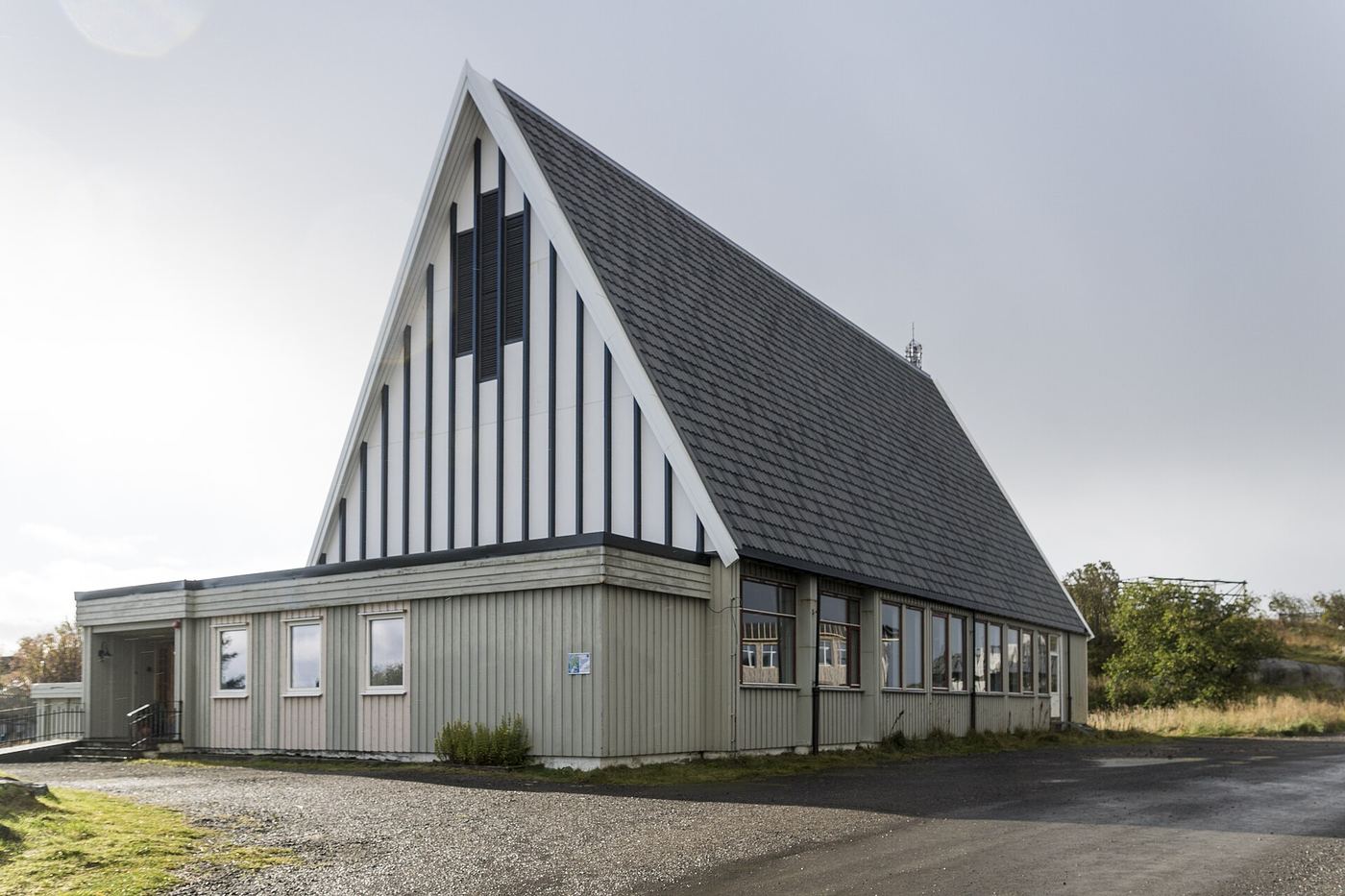
A full kitchen for the produce from Leknes and the fish quay, a sauna for the evenings after the mountains, and the quiet that lets you actually rest. From the living room you look straight across the Buksnesfjord to the dragon-style church at Gravdal. Our guests give the cabin top marks – it's a Guest Favourite on Airbnb.
Frequently asked questions
What travellers actually ask – distilled from thousands of questions in the Lofoten travel communities, answered from the base.
Where should we stay – do we have to move around to see everything?
No. From one base near Leknes, at the midpoint of the archipelago, everything from Haukland (approx. 15 min) to Reine (approx. 60 min) and Svolvær (approx. 65 min) is a day trip – no repacking every other day. This entire guide is built around exactly that – see Practical.
Is Lofoten overcrowded? We keep reading about overtourism.
No. Crowding in Lofoten is a postage stamp, not a map: a handful of photo stops and one staircase (Reinebringen) for a few weeks in July, in the middle of the day. Around them lie more than twelve hundred square kilometres of mountains, beaches and fishing villages – and most of them you'll have nearly to yourself, even in high season. From one base at the midpoint it's easy to steer clear: walk the famous hikes early or late, and choose the places locals choose – Holsøya, Mortsundrekka, the south side, Eggum. After many years up here, your host's experience is clear: crowds are the exception, not the rule.
How many days do we need?
Four to five days cover the classics at a relaxed pace from one base. A week adds room for a weather buffer, the long hikes, and days when you simply stay on a beach.
How does parking work at the trailheads, for example Reinebringen?
The popular trailheads have signed pay parking, often with automatic plate recognition. Pay with a parking app or online – at several sites you can also pay afterwards, within the deadline on the sign. Install a parking app (e.g. EasyPark) before you leave home.
Do we need a rental car, or will buses do?
Buses run along the E10, but departures are few and weather causes delays. With your own car you see the islands on your own terms – the E10 is easy driving all year; see the winter driving advice under Practical.
Can we see the northern lights in November?
Yes. The season runs from around September to April, and Lofoten sits right under the auroral oval – clear skies matter more than forecast numbers. See the northern lights page for how to read the forecasts.
Whales, orcas and otters – can we see them?
White-tailed eagles are near-guaranteed on the fjord and RIB trips. Orcas and whales follow the fish and appear unpredictably from shore; the established whale safaris run from Andenes in Vesterålen as a day trip. Otters live all along the shoreline – best chances early and late in the day in quiet coves. Insider tip: the Facebook group “Whale alert Lofoten” shares sightings in real time.
Do ferries and restaurants need booking ahead?
The Bodø–Moskenes car ferry should be booked in advance in season. The same goes for tables at the small restaurants – especially in Ballstad – and popular activities in July.
What do we do when it rains?
Rainy days are made for culture and family stops: museums, the aquarium, glassblowing – and a sauna with a sea view. Weather turns fast out here; check month by month for what works best when.
Is Reinebringen scary – do we have to go all the way up?
The sherpa steps have made the trail safe and clear, and the view over the Reinefjord opens up long before the summit – you decide how far you go. The platform at the top is small and exposed, so take care when it's crowded. See the hikes for details. And remember: Reinebringen is just one of many – the hikes page is full of summits with fewer people and views every bit as grand.